
Read: 30 Years of the CDJ
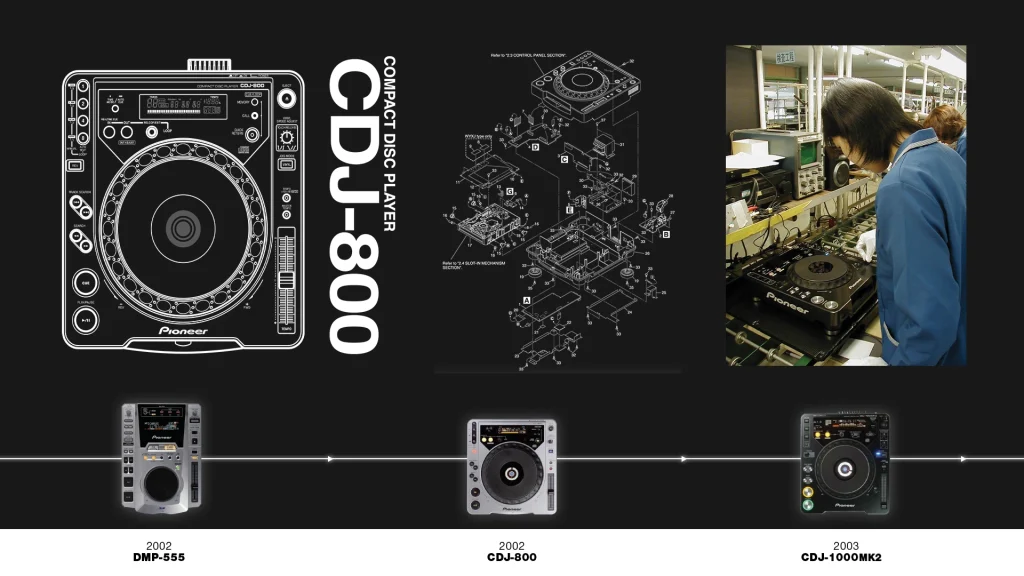
For three decades, CDJ technology has transformed DJ culture. Pioneered by Pioneer’s launch of the CDJ-500 in the early ’90s, it allowed DJs to transition from vinyl to digital formats, unlocking new creative possibilities. Early adopters like Carl Cox and Richie Hawtin embraced this technology, pushing boundaries with features like pitch control and looping. However, CDJs weren’t welcomed by everyone—particularly in the hip-hop community, where turntables and vinyl represented the core of DJ artistry. Hip-hop DJs, renowned for scratching and turntablism, initially resisted the shift, feeling that digital controllers and CDs would diminish the tactile and authentic art form they had honed.
Despite the early pushback, the CDJ’s integration of advanced features, such as USB support and waveform displays, won over even the most skeptical DJs over time. Icons like Jazzy Jeff and A-Trak would later come to embrace CDJ technology, recognizing its potential without sacrificing their creative edge.
Respect to both the early resistance and eventual adoption of this game-changing technology. Whether you hail from the electronic or hip-hop worlds—the CDJ has managed to honor DJing’s roots while pushing the art forward.